 UK: 0844 854 9218 | International: +44 (0)1488 580017

Description
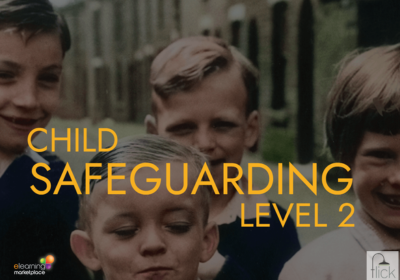
This online Child Safeguarding Level 2 course is specifically designed to give learners a better understanding of what the different types of child abuse are, what signs to look out for and what actions to take.
This course covers key points from:
- Working together to safeguard children in England
- Safeguarding children: working together under the Children Act in Wales
- National Guidance for Child Protection in Scotland
- Co-operating to safeguarding children in Northern Ireland
- Keeping Children Safe in Education
- Section 10 of Inspecting safeguarding in early years, education and skills
What topics are covered in this CPD Certified Child Safeguarding Level 2 course?
- What is Child Abuse – The prevalence of child abuse, what child abuse covers, the responsibility of professionals who work with children and young people, the definitions of child protection and safeguarding.
- Neglect – The prevalence of neglect, what neglect covers, the four types of neglect, signs and symptoms, the short and long-term effects of neglect.
- Physical Abuse – Some statistics, the definition of physical abuse, signs and symptoms of physical abuse, identifying inflicted bruises and wounds, the effects of physical abuse.
- Emotional Abuse – The definition of emotional abuse including active and passive emotional abuse, and the five types of passive emotional abuse, the signs, symptoms and effects of emotional abuse.
- Sexual Abuse – The prevalence of reported sexual abuse, what sexual abuse covers, some myths about sexual abuse, signs and symptoms of abuse, the effects of abuse both in childhood and later in life.
- Other Forms of Abuse – Other forms of abuse that require particular knowledge including FGM, forced marriage, radicalisation, domestic abuse and child trafficking.
- Risks to Children – Factors that put children at higher risk of abuse including disability, parental substance and alcohol misuse, parental learning disability, poverty and racial prejudice.
- Disclosures – The different types of disclosure and ways that you may become aware of abuse, and recognising what a disclosure my sound like.
- Responding to a Disclosure – Responding appropriately to a child who is disclosing abuse, what prevents and encourages disclosure.
- Taking Action – Passing on information to people who will be able to take action, talking to parents, what should be reported.
- Recording Concerns – Making accurate and detailed notes of concerns or following a disclosure, what to make note of.
- Duties & Responsibilities – Child protection legislation and guidance, child protection and safeguarding policies, safe recruitment, training and personal codes of conduct.
A CPD Certified Online Course
This online course has reached the required Continuing Professional Development (CPD) standards and benchmarks, and the learning values have been scrutinised to ensure the integrity and quality by the CPD Certification Service.
Entry requirements
There are no entry requirements, although completing Level 1 Child Safeguarding may help.
Course assessment and certification
On successful completion of the final assessment a downloadable certificate is immediately available.